
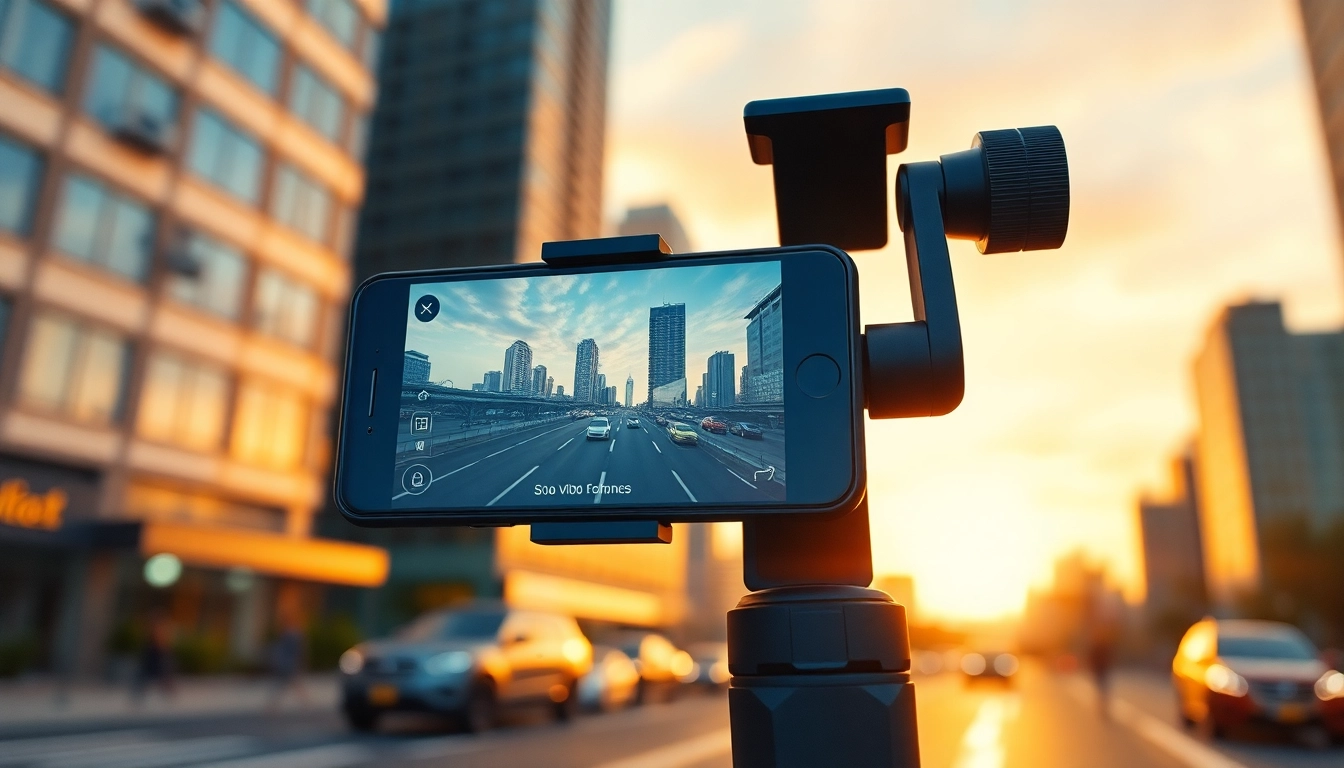
Understanding Smartphone-Gimbals: What They Are and How They Work
In an age where high-quality video content is more important than ever, smartphone gimbals have emerged as essential tools for both amateur and professional videographers. These devices stabilize recordings, allowing users to create smooth, cinematic footage without the need for expensive camera equipment. Understanding Smartphone-Gimbal technology is crucial for anyone looking to enhance their video production skills.
1. Definition and Purpose of Smartphone-Gimbals
A smartphone gimbal is a handheld device designed to eliminate unwanted camera shake while filming. It achieves this through a system of motors and sensors that keep the smartphone steady, ensuring that video footage remains smooth even during movement. The primary purpose of a smartphone gimbal is to provide stability during shooting, making it easier to capture professional-looking videos without the need for bulky equipment.
2. How Gimbals Use Stabilization Technology
Smartphone gimbals utilize a 3-axis stabilization system, which consists of three different motors that counteract unwanted movements. These motors react to tilts, panning, and rolling motions, automatically adjusting the gimbal’s position to keep the smartphone level. Additionally, many models come equipped with advanced algorithms that allow for predictive stabilization, enhancing performance even further.
3. Benefits of Using a Smartphone-Gimbal for Video Production
The advantages of incorporating a smartphone gimbal into your video production workflow are numerous. Key benefits include:
- Improved video quality: Gimbals significantly reduce shaky footage, resulting in smoother, more professional videos.
- Versatility: Many gimbals feature additional functionalities, such as time-lapse and object tracking, providing expanded creative options.
- Portability: Gimbals are generally lightweight and easy to transport, making them an ideal option for on-the-go filming.
- Cost-effective: Compared to traditional camera stabilizers and rigs, smartphone gimbals offer high-quality stabilization at a fraction of the cost.
Choosing the Right Smartphone-Gimbal for Your Needs
With a multitude of smartphone gimbals available on the market, selecting the right one can be overwhelming. Here are some key considerations to help you make an informed decision.
1. Key Features to Consider in a Gimbal
When evaluating gimbals, some essential features to look out for include:
- Weight and design: A lightweight gimbal is crucial for extended filming sessions. Look for ergonomic designs that minimize user fatigue.
- Battery life: Opt for models that offer long-lasting battery performance, especially if you plan on filming for extended periods.
- Stabilization capabilities: Different gimbals may offer varying levels of stabilization, so consider your typical filming environment.
- App integration: Gimbals that come with dedicated apps can enhance usability and provide additional features like motion time-lapse and panorama shooting.
2. Comparing Popular Smartphone-Gimbal Models
Several top models have proven popular among videographers:
- DJI OM 5: Known for its reliability and compact design, it offers excellent stabilization and smart features.
- Insta360 Flow 2 Pro: This gimbal excels in tracking moving subjects and provides seamless stabilization for dynamic shots.
- Hohem iSteady V3: A budget-friendly option that still delivers decent stabilization and a user-friendly design.
3. Budget Considerations: Affordable Options vs. Premium Gimbals
While premium gimbals often come with advanced features like better motors, longer battery life, and enhanced app functionality, there are also many affordable options that can still deliver satisfactory results. Prioritize your filming needs and budget to balance quality against price effectively.
Best Practices for Using Smartphone-Gimbals Effectively
To maximize the potential of your smartphone gimbal, consider the following best practices.
1. Techniques for Achieving Smooth Footage
The key to capturing smooth footage lies in your technique. Here are some tips:
- Maintain a low center of gravity: Keeping the gimbal close to your body helps reduce shaking.
- Walk smoothly: Avoid sudden movements; practice walking gently to maintain stability.
- Use a wide-angle lens: A wide-angle lens can minimize the perception of shaking in your videos.
2. Common Mistakes to Avoid with Smartphone-Gimbals
Even experienced users can fall into certain traps. Be aware of these common mistakes:
- Overloading the gimbal: Ensure your smartphone fits within the weight limits specified by the manufacturer.
- Neglecting battery life: Always charge your gimbal fully before filming to avoid interruptions.
- Ignoring balance: Make sure your smartphone is correctly balanced in the gimbal before use to ensure optimal stabilization.
3. The Role of App Integration in Enhancing Your Gimbal Experience
Many gimbals feature companion apps that can significantly enhance usability. These apps often provide additional functions such as preset shooting modes, motion control, and live streaming capabilities. Familiarize yourself with the features of your gimbal’s app to make the most out of your filming experience.
Real-World Applications of Smartphone-Gimbals
Smartphone gimbals are versatile tools utilized across various filming scenarios. Their applications can be seen in:
1. Gimbals in Vlogging and Content Creation
With the rise of social media, vloggers have embraced smartphone gimbals to elevate their content quality. These gimbals help creators achieve stable shots while moving, making them ideal for dynamic vlogging.
2. Applications in Professional Filmmaking
While traditionally associated with high-end cameras, gimbals have found their place in professional filmmaking as well. Many directors and cinematographers use smartphone gimbals for shooting B-roll and capturing unique angles that can add depth to their projects.
3. Case Studies: Successful Projects Using Smartphone-Gimbals
Several creators have shared their success stories utilizing smartphone gimbals. For instance, filmmaker Jane Doe shot an entire short film using only her smartphone and a gimbal, showcasing the device’s capabilities in low-budget projects.
Future Trends in Smartphone-Gimbal Technology
As technology continues to evolve, smartphone gimbals are expected to become even more advanced. Here are some emerging trends to keep an eye on.
1. Emerging Features and Innovations for 2025
Future gimbals may integrate more robust AI features, such as automatic scene detection and dynamic stabilization adjustments based on the filming environment, leading to even smoother footage.
2. How AI and Automation Are Shaping Gimbal Development
AI technology could streamline setup processes and enhance tracking capabilities, allowing users to focus on creativity instead of technical juggling.
3. Predictions for the Smartphone-Gimbal Market in the Coming Years
As smartphone cameras continue to improve, so too will the demand for innovative gimbal solutions. The market will likely see a surge in competition, leading to improved features and price points across the board.