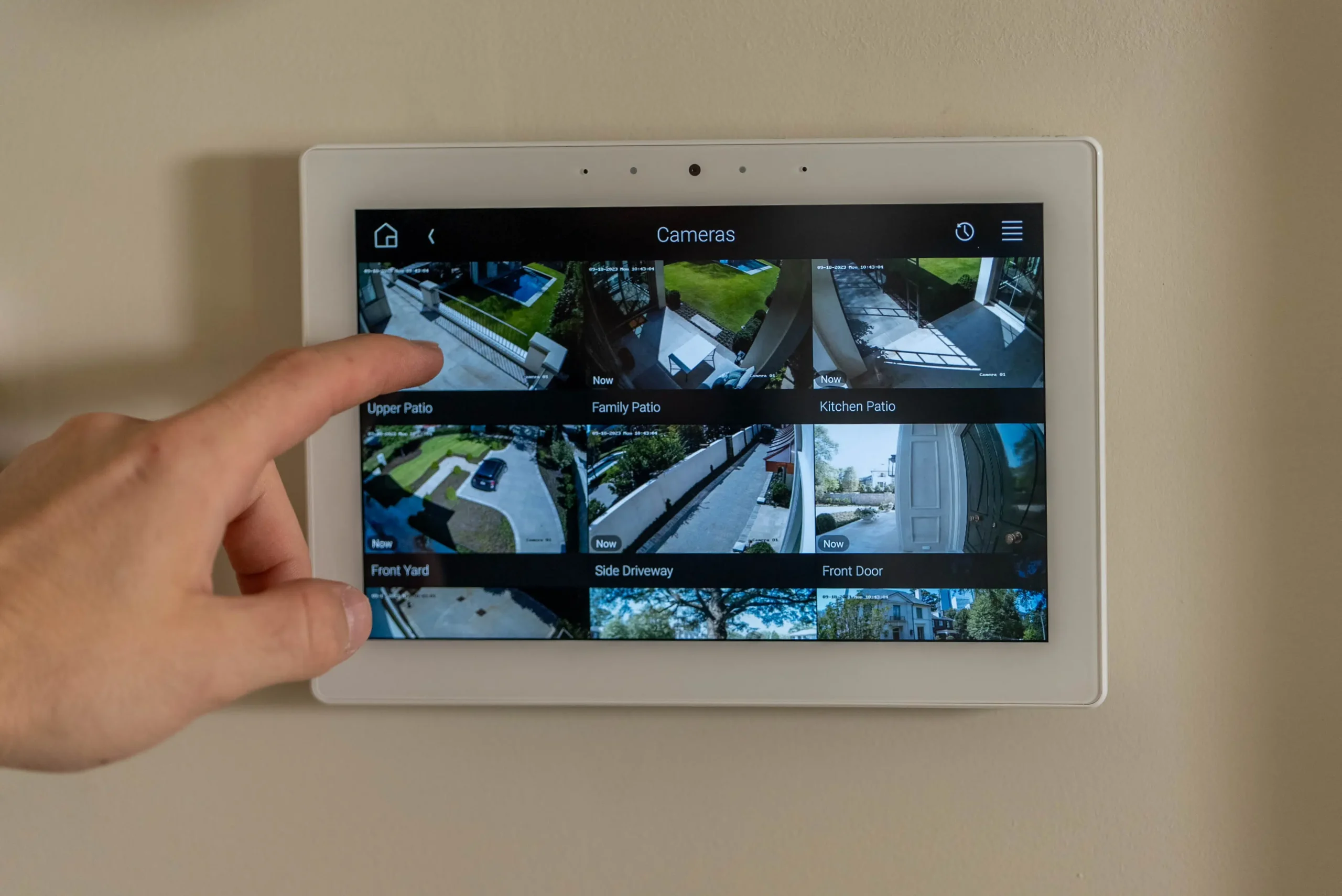
Creating a safe living environment has become a priority for every homeowner, and the demand for reliable Home Security has reached an all-time high. Whether you live in a compact apartment or a multi-story estate, the need to safeguard your property, loved ones, and valuables is universal. The rapid evolution of smart technology has transformed how we approach home protection, offering advanced tools that go beyond traditional locks and alarms. Today, both small and large homes require tailored Home Security strategies that match their structure, vulnerabilities, and lifestyle demands. As threats become more sophisticated, your security system must keep pace, ensuring that every layer of defense is optimized for complete protection.
Understanding how Home Security solutions differ for various home sizes is essential because not every system works for every household. Smaller homes often need compact yet powerful technologies that integrate seamlessly with limited spaces, while larger homes demand wide-coverage devices that protect expansive entry points, detached structures, and multiple rooms. Regardless of size, every home benefits from a strategic combination of surveillance, alarms, smart automation, and monitoring services. This article explores the most effective Home Security solutions for both small and large homes, supported by expert insights that reflect modern safety standards and evolving consumer needs.
Understanding the Importance of Home Security in Today’s Environment
The world is experiencing a heightened awareness around personal safety, and this has led to a significant increase in the adoption of Home Security systems. Modern homeowners are no longer satisfied with basic locks or outdated alarm panels; instead, they seek systems that use artificial intelligence, cloud monitoring, smart sensors, and real-time alerts. The rise of remote work has also elevated the importance of home protection, as more families spend extended periods inside their homes and rely on digital devices that need safeguarding. The best Home Security solutions today focus not only on preventing break-ins but also on ensuring safety during emergencies, deterring suspicious behavior, and providing peace of mind every minute of the day.
Small homes and large homes face different challenges, yet both require proactive and layered protection. In small homes, the challenge is balancing security with minimal clutter, seamless integration, and non-intrusive devices that don’t overwhelm the space. In contrast, large homes often contain multiple access points, wider perimeters, garages, outdoor structures, and numerous rooms that need continuous monitoring. This makes comprehensive Home Security essential to guarantee that no blind spots exist within the property. With smart devices, you can now access real-time information, receive instant alerts, and maintain full control of your home from anywhere in the world, which dramatically enhances the level of security available to homeowners.
The Foundation of Home Security for Any Property Size
Every effective security strategy begins with a strong foundation. Whether your home is small or large, the core components of a reliable Home Security system remain similar. The difference lies in the coverage area, number of access points, and the level of customization required. Cameras, sensors, smart locks, lighting, alarms, and monitoring features work together to create a cohesive security ecosystem. For small homes, fewer devices may be needed, but each device must perform multiple functions efficiently. In larger homes, the focus shifts to extended coverage, multi-level integration, and a scalable system that can adapt over time.
Regardless of home size, the most effective Home Security solutions incorporate a strategic combination of prevention, detection, and response. Prevention involves tools like smart locks and video doorbells that deter unwanted visitors before an incident occurs. Detection includes motion sensors, glass-break detectors, and cameras that identify suspicious activity in real time. Response mechanisms involve alarms, notifications, and professional monitoring services that ensure swift action during emergencies. When these elements work together, they create a well-rounded Home Security system capable of protecting your family and property around the clock.
Home Security Solutions Designed for Small Homes
Small homes, apartments, and condos require streamlined Home Security systems that deliver maximum protection without excessive hardware. Because the space is limited, homeowners often prioritize efficiency, simplicity, and affordability. One of the most important steps in protecting a small home is understanding its unique vulnerabilities. Unlike large homes with multiple entry points, small homes usually have fewer doors and windows, making it easier to secure the entire perimeter with minimal devices. However, this does not mean security can be compromised, because intruders often target smaller properties assuming they lack robust Home Security systems.
Video doorbells have become essential for small homes because they function as both a camera and an intercom system. They allow homeowners to see, hear, and speak to anyone at the door, even when they are not home. This greatly reduces the chances of package theft, unauthorized entry, or suspicious behavior going unnoticed. Another vital solution for small homes is the use of multipurpose sensors. These sensors detect motion, window openings, environmental changes, or unusual activity, and they are especially valuable because they eliminate the need for multiple dedicated devices. Smart lights also contribute to small-home Home Security by creating the impression of occupancy, which can deter potential intruders.
For small homes, smart locks offer an added layer of security without requiring major structural modifications. Smart locks replace or supplement existing door hardware and allow remote access through a smartphone app. This is convenient for families who frequently travel or individuals living alone who need secure control over who enters their home. Smart locks can also integrate seamlessly into a larger Home Security system, creating automated routines, such as locking the door when motion sensors no longer detect movement inside the home. Because space is limited, small homes greatly benefit from integrated Home Security hubs that centralize control into one device, reducing clutter while improving efficiency.
Home Security Solutions Tailored for Large Homes
Large homes require far more comprehensive Home Security solutions compared to smaller homes because of their increased size, multiple access points, and extensive outdoor areas. A typical large home may have several entry doors, an attached garage, side entrances, multiple floors, and exterior structures like sheds or guesthouses. This complexity demands a multi-layered approach that ensures every area of the property is protected. While small homes can rely on compact systems, large homes need expansive networks of devices that communicate with each other to offer seamless protection.
Perimeter security is one of the most important aspects of Home Security for large homes. This involves securing the outer boundaries of the property through outdoor cameras, smart lighting, motion detectors, and gate sensors. Outdoor cameras with wide-angle lenses, night vision, and artificial intelligence are particularly useful because they provide panoramic visibility of driveways, backyards, and hidden corners. Smart floodlights add an extra layer of protection by automatically illuminating when they detect movement, deterring intruders before they approach the home. These technologies allow homeowners to monitor their property in real time, even when they are miles away.
Large homes also require indoor security that covers multiple rooms and levels. High-resolution indoor cameras with cloud storage and smart notifications assist in monitoring hallways, staircases, living areas, and entrances. Another essential component is a network of interconnected sensors placed on windows and doors throughout the home. In larger homes, the sheer number of windows increases the chances of unauthorized entry, making sensors critical for comprehensive Home Security coverage. Smart alarm systems with loud sirens and automatic alerts further reinforce protection by notifying homeowners and local authorities whenever a threat occurs.
One of the most effective solutions for large homes is professional monitoring. Unlike self-monitoring, which depends entirely on the homeowner’s ability to respond to alerts, professional monitoring ensures that trained security personnel evaluate every alert instantly and act when necessary. This is especially important for large homes that may have multiple blind spots or areas not easily observed by occupants. Professional monitoring enhances Home Security by providing a reliable response, even during emergencies such as fires, medical issues, or break-ins. With the increased complexity of large homes, having a team of experts continuously monitoring the property becomes invaluable.
Smart Home Integration and Its Role in Modern Home Security
Smart home technology has revolutionized Home Security by creating systems that communicate, automate, and adapt to daily routines. The integration of security devices with smart assistants, mobile apps, and automated routines has made it easier than ever to create a secure and efficient home environment. Smart integration allows homeowners to manage everything from locks and cameras to lighting and alarms using a single platform. This not only simplifies control but also enhances the overall effectiveness of the system.
In small homes, smart automation helps optimize limited space by combining multiple security tasks into seamless routines. For instance, a small home can be fully secured at night by triggering a “Goodnight Routine” that locks doors, turns off lights, and activates cameras with a single command. This convenience is essential for homeowners who want fast and efficient Home Security without complex setups. Small homes also benefit from centralized control hubs that minimize hardware and ensure all devices communicate effectively.
Large homes gain even greater advantages from smart integration because their security needs are far more complex. Automation can manage multiple zones simultaneously, coordinating the security of different floors, garages, and outdoor spaces. For example, large-home routines may include separate schedules for front-gate cameras, backyard motion lights, and interior monitoring systems. Voice assistants and app-based dashboards allow homeowners to monitor vast areas in real time without needing multiple control panels. This holistic approach significantly enhances Home Security, making it easier to maintain full awareness and control over a large property.
Smart home integration also improves long-term security through artificial intelligence. AI-powered devices can recognize familiar faces, detect unusual motion patterns, distinguish between pets and humans, and send tailored alerts. These advanced capabilities dramatically reduce false alarms and create a more accurate and responsive Home Security ecosystem. As AI continues to evolve, homeowners will gain even greater insight into the safety of their property, making smart integration one of the most valuable investments in modern security.
Environmental Monitoring as a Key Component of Home Security
While many people associate Home Security solely with preventing break-ins, true safety extends much further. Environmental threats such as fires, floods, gas leaks, and extreme temperatures pose significant risks to both small and large homes. These hazards can cause severe damage and endanger the lives of occupants, making environmental monitoring an essential part of a complete Home Security system. Smart sensors today are designed to detect smoke, carbon monoxide, water leaks, and abnormal temperature fluctuations, ensuring that homeowners receive immediate alerts during emergencies.
Small homes benefit immensely from environmental monitoring because these spaces can quickly fill with smoke, gas, or water during a crisis. A single alarm or sensor in a small home can cover much of the living area, providing early warnings that prevent catastrophic damage. With limited room, environmental threats can spread rapidly, making smart detectors a necessary component of modern Home Security for small properties.
Large homes require more extensive environmental monitoring due to their size and complexity. Multiple detectors are needed across different floors, hallways, basements, attics, and near major appliances. A fire or leak in one part of a large home may go unnoticed for an extended period without proper monitoring, increasing the likelihood of severe damage. Smart detectors that link to a central Home Security system provide instant alerts to the homeowner’s phone and monitoring center, ensuring a rapid and coordinated response. This level of protection is particularly valuable for large homes with expansive layouts and multiple occupants.
How Lighting Influences Home Security for Small and Large Homes
Lighting plays a critical role in Home Security because it affects visibility, deterrence, and situational awareness. Well-designed lighting reduces hiding spots, illuminates high-risk areas, and signals to potential intruders that the home is actively monitored. Small homes benefit from smart lighting because it enables automation and remote control without requiring complex electrical setups. A few strategically placed lights can transform a small property into a more secure environment by reducing shadows and highlighting natural entry points.
Large homes require more extensive lighting systems to cover wider outdoor spaces, long perimeters, driveways, and multi-level exteriors. Smart floodlights, motion-activated lamps, and landscape lighting are particularly effective in enhancing visibility around the property. When integrated with cameras, smart lighting significantly improves video clarity at night, ensuring that the Home Security system remains effective 24/7. Automated lighting schedules create the illusion of occupancy, which is one of the most powerful deterrents against intruders targeting large homes.
Smart lighting also benefits interior Home Security by improving visibility and preventing accidents during emergencies. For instance, lights can automatically turn on during fire or carbon monoxide alerts, guiding occupants safely to exits. This type of automation is particularly helpful in large homes where navigation can be challenging during low-visibility situations.
The Role of Surveillance in Modern Home Security
Surveillance remains at the core of effective Home Security systems for both small and large homes. Cameras offer real-time visibility, evidence collection, and deterrence against potential intruders. Modern security cameras now offer a range of advanced features including high-definition resolution, night vision, motion tracking, audio communication, and cloud recording. These innovations ensure that surveillance is not only reliable but also user-friendly and accessible.
Small homes typically require fewer cameras, but each camera must be strategically placed to cover high-traffic and vulnerable areas. A single camera at the entrance combined with an indoor camera facing the main living area is often enough to provide comprehensive coverage. Smart video doorbells add even more visibility and are especially useful in small homes where the front entrance is the primary point of access. Regardless of home size, the constant presence of visible cameras significantly strengthens Home Security by reducing the likelihood of suspicious activity.
Large homes require multiple cameras to cover extensive indoor and outdoor spaces. Outdoor cameras must be placed along fences, driveways, backyards, and near external structures. Indoor cameras should protect staircases, hallways, and major living spaces. Because large homes have more complex layouts, the surveillance system must include wide-angle cameras, high-resolution lenses, and automated motion tracking that adjusts to movement. Cloud storage is also essential for large homes because it ensures that footage remains secure even if an intruder attempts to disable or tamper with the system. The scalability of advanced surveillance systems makes them ideal for enhancing Home Security in larger properties.
Home Security Systems and Professional Monitoring
Professional monitoring is one of the strongest layers of Home Security available for both small and large homes. It ensures that trained experts are available 24/7 to respond to alarms, emergencies, and unusual activity. For small homes, professional monitoring provides peace of mind, especially when homeowners are traveling or unable to check their devices. With fewer devices to manage, a monitored system ensures that every alert receives immediate attention, reducing the risk of oversight.
Large homes gain even greater advantages from professional monitoring because of their size and complexity. Monitoring teams can observe multiple zones, ensuring every part of the property is covered without requiring the homeowner to constantly oversee the system. Professional monitoring is particularly valuable during emergencies that require immediate intervention, such as break-ins, fires, or medical crises. By integrating professional monitoring into a comprehensive Home Security system, homeowners can ensure maximum safety and rapid response at all times.
Choosing the Right Home Security System for Your Home Size
Selecting the right Home Security system involves evaluating your home’s layout, number of entry points, daily routines, and unique vulnerabilities. Small homes often benefit from simple, easy-to-install systems that require minimal wiring, offer mobile control, and integrate multiple features into compact devices. Large homes require more robust systems with extensive coverage, advanced sensors, multiple cameras, and centralized control hubs capable of managing numerous devices simultaneously.
The decision between DIY and professionally installed systems also depends on home size. Small homes often do well with DIY systems that allow quick installation and flexible upgrades. Large homes, however, typically require professional installation to ensure full coverage and proper device placement. The key to successful Home Security is choosing a system that offers scalability, reliability, and integration with modern smart home technologies. By evaluating your daily routines, property layout, and long-term security goals, you can select a system that provides the protection your home truly needs.
Conclusion
In today’s fast-changing world, investing in reliable Home Security has become essential for both small and large homes. Every home, regardless of size or layout, deserves a security system that offers comprehensive protection, intelligent automation, and real-time visibility. Small homes benefit from compact, efficient, and multipurpose devices, while larger homes require extensive, multi-layered systems capable of covering wide perimeters and multiple zones. Modern advancements in surveillance, smart technology, lighting, sensors, and professional monitoring allow homeowners to build customized Home Security solutions that perfectly match their needs. With the right approach and a well-informed security plan, you can protect your property, your family, and your peace of mind—today and for years to come. For more insights, head over to our main site.
Frequently Asked Questions
What is the most important factor in choosing a Home Security system?
The most critical factor in choosing a Home Security system is understanding your home’s specific needs. The layout, number of entry points, daily activity patterns, and overall size determine what type of system is best suited for effective protection. A small home may require fewer devices, while a large home may need comprehensive coverage with advanced automation and monitoring.
Are smart Home Security systems better than traditional ones?
Smart Home Security systems offer greater convenience, automation, integration, and real-time control compared to traditional systems. They allow homeowners to monitor their property remotely, automate routines, receive instant alerts, and integrate multiple devices into one platform. This makes them more effective for both small and large homes.
Can Home Security systems work during power outages?
Most modern Home Security systems include backup batteries that ensure continued operation during power outages. Some systems also offer cellular connectivity, allowing devices to stay online and send alerts even when Wi-Fi is down. This ensures uninterrupted protection regardless of environmental conditions.
Do small homes need as many security devices as large homes?
Small homes typically require fewer Home Security devices because they have limited entry points and compact layouts. However, this does not mean they require less protection. A strategic combination of cameras, sensors, and smart locks can create a highly secure environment without the need for extensive hardware.
Is professional monitoring necessary for large homes?
Professional monitoring is highly recommended for large homes because of the complex layout and extensive coverage required. Monitoring services ensure that every alert is reviewed by trained professionals who can respond immediately to emergencies. This adds an extra layer of safety and enhances the overall effectiveness of the Home Security system.